
Introduction
Ramdung Peak Climbing is an exciting Himalayan adventure that takes climbers into the spectacular Rolwaling Valley of Nepal. Rising to an elevation of approximately 5,925 meters, Ramdung Peak offers an opportunity to experience remote mountain landscapes, high-altitude trekking, glacier terrain, and the traditions of Himalayan communities.
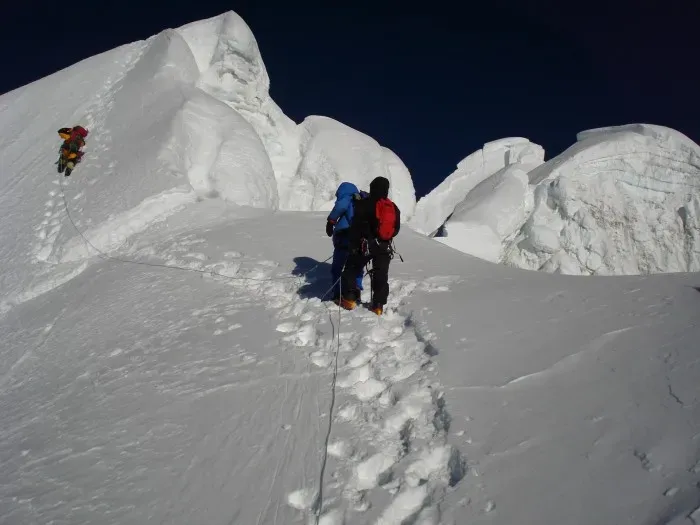
Located away from Nepal’s busiest trekking routes, the Rolwaling region is known for its dramatic valleys, towering mountains, glaciers, waterfalls, and peaceful settlements. The journey to Ramdung Peak combines challenging trekking with an introduction to Himalayan mountaineering, making it an appealing objective for adventure seekers who want to explore a less-traveled part of Nepal.
The expedition requires good physical fitness, appropriate acclimatization, technical preparation, and professional mountain guidance. Climbers should also be prepared for changing weather and demanding high-altitude conditions. With proper planning, Ramdung Peak Climbing can provide a memorable experience for those looking to explore Nepal beyond its more familiar trekking destinations.
Where Is Ramdung Peak?
Ramdung Peak is situated in the Rolwaling Himalaya of central Nepal. The Rolwaling Valley extends toward the Tibetan border and is surrounded by impressive Himalayan peaks and glaciers.
The region is geographically remote, which has helped preserve its traditional character and natural environment. The valley contains dramatic mountain terrain, narrow gorges, alpine meadows, glacial landscapes, and small Himalayan settlements.
The journey toward Ramdung Peak provides changing scenery at different elevations. Lower sections feature forests and cultivated land, while higher areas become increasingly rugged and dominated by rock, snow, and ice.
Its remote location makes the expedition particularly attractive to climbers interested in wilderness and solitude.
Why Choose Ramdung Peak Climbing?
There are several reasons to consider Ramdung Peak Climbing as a Himalayan adventure.
The first is the remote nature of the Rolwaling Valley. Compared with heavily traveled routes in the Everest and Annapurna regions, the area generally offers a quieter trekking environment.
The second attraction is the landscape. The route provides views of dramatic Himalayan peaks, glaciers, waterfalls, high mountain passes, and deep valleys.
Ramdung Peak also provides an opportunity to develop mountaineering skills. Depending on the route and conditions, climbers may encounter snow, ice, rocky terrain, and glacier travel.
The cultural experience adds another dimension. Villages in the Rolwaling region have strong Himalayan traditions, and visitors can observe local architecture, religious practices, agriculture, and mountain lifestyles.
Major Highlights of Ramdung Peak Climbing
A well-organized Ramdung Peak Climbing expedition can include a variety of natural, cultural, and adventurous highlights:
-
Trekking through the remote Rolwaling Valley
-
Exploring traditional Himalayan settlements
-
Enjoying views of dramatic Himalayan peaks
-
Walking through forests and alpine landscapes
-
Crossing rugged mountain terrain
-
Experiencing glaciers and high-altitude environments
-
Developing basic mountaineering skills
-
Camping in remote mountain locations
-
Exploring Buddhist cultural sites
-
Reaching the summit of Ramdung Peak
The combination of wilderness, culture, and climbing makes the expedition particularly appealing to adventurous travelers.
Ramdung Peak Climbing Route
The route to Ramdung Peak can vary depending on the chosen itinerary, transportation arrangements, and current trail conditions.
The journey generally begins in Kathmandu before traveling toward the Rolwaling Valley. Trekkers then follow mountain trails through rural settlements and increasingly remote landscapes.
The approach typically involves walking along river valleys and through forested areas before reaching higher alpine terrain. As the elevation increases, vegetation becomes less dense, and the landscape changes to rocky slopes, glaciers, and snow-covered mountains.
Acclimatization is an important part of the itinerary. Climbers normally spend additional time at suitable elevations to allow their bodies to adjust before attempting higher sections.
After reaching the climbing area, the team establishes a suitable base or high camp according to the route and conditions. From there, the summit attempt begins when weather, snow conditions, and climber health are appropriate.
Following the summit attempt, the team descends carefully and continues back through the valley.
Difficulty of Ramdung Peak Climbing
Ramdung Peak Climbing is a challenging high-altitude adventure. Although the mountain is not among Nepal’s highest peaks, its elevation and remote environment make it considerably more demanding than a standard trekking journey.
Climbers may encounter steep terrain, snow, ice, rocky sections, and potentially difficult weather. Long walking days and limited facilities in remote areas also add to the challenge.
Previous trekking or mountaineering experience is beneficial. Climbers should be comfortable walking for several hours at altitude and should have a basic understanding of climbing equipment and rope techniques.
Strong physical fitness is essential. Preparation should include cardiovascular exercise, strength training, long-distance hiking, and walking with a backpack.
Technical training can also improve confidence and safety. Climbers should learn how to use crampons, harnesses, ropes, ice axes, and other equipment before attempting the more technical sections.
Altitude and Acclimatization
Altitude is a major factor during Ramdung Peak Climbing.
As the expedition reaches higher elevations, the amount of available oxygen decreases. The body needs sufficient time to adapt, making acclimatization an essential part of a responsible itinerary.
Common altitude-related symptoms include headache, nausea, dizziness, fatigue, and difficulty sleeping. If symptoms become severe, climbers should immediately inform their guides and descend if necessary.
A gradual ascent, regular rest, adequate hydration, and proper nutrition can support acclimatization.
Climbers should never treat summit success as more important than their health. Mountain conditions can change rapidly, and the itinerary should remain flexible.
Best Time for Ramdung Peak Climbing
The best seasons for Ramdung Peak Climbing are generally spring and autumn.
Spring, from March to May, offers improving temperatures and generally favorable conditions for trekking and climbing. Lower sections of the route can also be particularly attractive because of flowering vegetation.
Autumn, from September to November, is another popular period. The skies are often clearer after the monsoon, providing excellent mountain visibility.
Winter can bring heavy snowfall and very cold temperatures, especially at higher elevations. Such conditions can make the climbing route significantly more demanding.
Summer coincides with the monsoon season. Rainfall can affect lower trekking trails and transportation, while clouds can reduce mountain visibility.
Regardless of the season, weather conditions should be assessed by experienced guides before any summit attempt.
Physical Preparation and Training
Good physical preparation is one of the most important requirements for Ramdung Peak Climbing.
Climbers should begin training well before the expedition. Hiking on varied terrain is particularly useful because it develops endurance while familiarizing the body with long periods of walking.
Cardiovascular activities such as running, cycling, swimming, and stair climbing can improve aerobic capacity.
Strength training should focus on the legs and core. Squats, lunges, step-ups, and other functional exercises can help prepare for steep ascents and descents.
It is also helpful to practice carrying a backpack during training hikes. This allows climbers to become comfortable with the additional weight they will carry during the expedition.
Technical climbing practice should cover essential skills such as crampon walking, ice-axe use, rope travel, and basic glacier safety.
Equipment for Ramdung Peak Climbing
Appropriate equipment is essential for a safe expedition. The exact requirements depend on the season, route, and current conditions, but typical equipment may include:
-
Mountaineering boots
-
Crampons
-
Ice axe
-
Climbing harness
-
Helmet
-
Carabiners and climbing hardware
-
Rope and ascender equipment
-
Warm base layers
-
Insulated or down jacket
-
Waterproof and windproof outer layers
-
Warm gloves and socks
-
Sunglasses or mountaineering goggles
-
Headlamp with spare batteries
-
Sleeping bag suitable for cold conditions
-
Trekking poles
-
Backpack and daypack
-
Water bottles or hydration system
-
Personal first-aid supplies
A professional climbing team can provide guidance on equipment selection and may offer rental options for certain technical items.
Accommodation and Food
Accommodation during the lower and middle sections of the journey may include local teahouses, lodges, or homestays. Facilities become more basic as the route enters remote areas.
Higher sections generally require organized camping. Tents, sleeping equipment, cooking arrangements, and other expedition supplies must be planned in advance.
Meals typically include traditional Nepali dishes such as dal bhat, rice, lentils, vegetables, noodles, potatoes, and soups. Simple Tibetan-influenced foods may also be available.
At higher elevations, maintaining adequate calorie intake is important because cold temperatures and physical exertion increase energy requirements.
Trekkers should carry lightweight, high-energy snacks such as nuts, dried fruit, chocolate, and energy bars.
Permits, Guides, and Insurance
Ramdung Peak is a regulated mountaineering destination, and climbers need the appropriate permits and documentation. Requirements and fees may change, so current regulations should be verified before departure.
Professional guidance is strongly recommended for Ramdung Peak Climbing. Experienced climbing guides understand the local terrain and can provide assistance with navigation, technical climbing, acclimatization, weather assessment, and emergency decisions.
A reputable expedition operator can also coordinate transportation, accommodation, permits, porters, camping equipment, food, and other logistical requirements.
Travel insurance should specifically cover high-altitude trekking and mountaineering. Climbers should confirm that their policy covers emergency evacuation and activities at the elevation of the expedition.
Responsible Tourism in the Rolwaling Region
The Rolwaling Valley is a fragile mountain environment, and responsible tourism is essential.
Climbers should carry waste out of remote areas, minimize single-use plastics, and follow local environmental guidelines. Campsites should be kept clean, and natural resources should be used carefully.
Respect for local communities is equally important. Visitors should follow local customs, behave appropriately around monasteries and religious sites, and ask permission before photographing people.
Hiring local guides, porters, cooks, and accommodation providers can help ensure that the economic benefits of tourism reach local communities.
Safety Considerations
Safety should remain the highest priority throughout the expedition.
Mountain weather can change quickly, particularly at higher elevations. Snowfall, strong winds, low temperatures, and poor visibility can make climbing hazardous.
Summit attempts should therefore depend on current weather, route conditions, and the health of the climbing team.
Climbers should follow their guides’ recommendations and be prepared to change or postpone plans when necessary.
Because Ramdung Peak is in a remote area, emergency response may take longer than in more accessible trekking destinations. Adequate insurance, communication equipment, and careful expedition planning are therefore particularly important.
Conclusion
Ramdung Peak Climbing is a remarkable Himalayan adventure for travelers seeking remote landscapes, cultural discovery, and the challenge of high-altitude mountaineering. Located in the spectacular Rolwaling Valley, the mountain provides an opportunity to explore a less-traveled region of Nepal while experiencing dramatic valleys, glaciers, traditional settlements, and impressive Himalayan scenery.
The expedition is more demanding than a standard trek. High altitude, steep terrain, changing weather, remote facilities, and technical climbing sections require serious preparation. Physical training, acclimatization, suitable equipment, professional guidance, and comprehensive insurance are essential components of a responsible climbing plan.
Beyond the summit itself, the journey offers an opportunity to experience the natural and cultural character of the Rolwaling region. Walking through remote villages, observing traditional Himalayan lifestyles, and traveling through pristine mountain landscapes can make the expedition meaningful from beginning to end.
For adventurous climbers looking for an alternative to Nepal’s busier trekking destinations, Ramdung Peak Climbing provides an exciting path into the high Himalayas. With careful preparation, respect for local communities and the environment, and a strong focus on safety, this expedition can become a rewarding and unforgettable Himalayan experience.