
 Your first Himalayan trek can feel exciting and a little confusing at the same time.
You may know that you want to see Everest, but you may not know what daily life on the trail will actually be like. How long will you walk? What will the villages feel like? Will the altitude make the journey harder? What happens after reaching Base Camp?
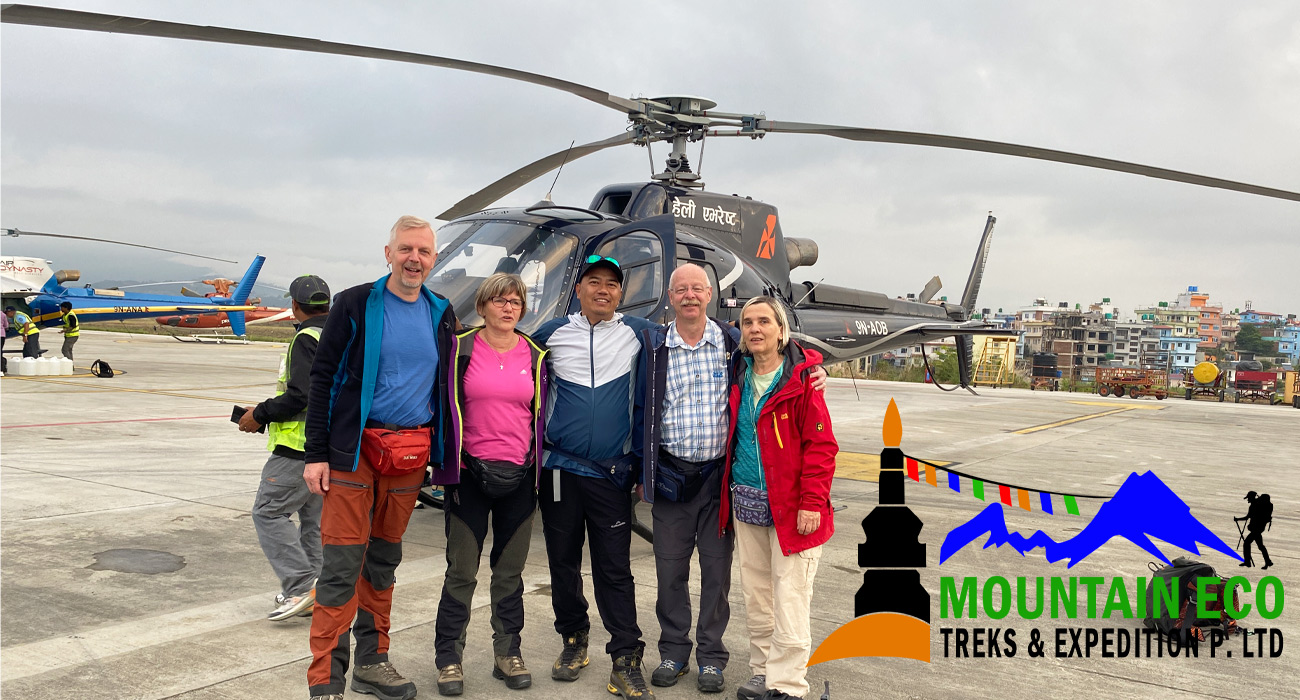
The Everest Base Camp Trek With Helicopter Return offers a clear answer to one part of that planning. You walk into the Everest region and reach Base Camp on foot, then return by helicopter when flying conditions are safe.
For a first-time visitor, understanding the experience before leaving home can make the journey much easier.
Your First Day May Feel Very Different
The beginning of the trek does not immediately look like the high Himalayas you may have imagined.
Lower sections can have green hills, forests, rivers, and small settlements. The route slowly introduces you to the mountain environment rather than putting you straight into extreme terrain.
Do Not Judge the Whole Trek by Day One
The early trail can feel manageable.
But the landscape and altitude change as you move higher.
That is why it is better to think of the trek as a gradual journey rather than one long hike.
Each day prepares you for the next.
Learn the Rhythm of a Trekking Day
A typical day on the trail has a simple pattern.
You wake up, have breakfast, pack your things, and begin walking. There are breaks along the way, followed by lunch and more walking before reaching the day’s destination.
The schedule is active, but it is not complicated.
Your Feet Become Your Main Transportation
There is no need to think about driving, parking, or traffic.
You simply follow the trail.
Some sections are easy and enjoyable. Others require more effort, especially when the path climbs.
After a few days, your body begins to understand the routine.
Expect to Walk Uphill More Slowly
Walking uphill at home and walking uphill at altitude are not the same.
As elevation increases, your body has less oxygen available. You may notice that your normal pace suddenly feels too fast.
Short Steps Can Save Energy
Do not worry about looking slow.
Take shorter steps when the trail becomes steep. Keep your breathing comfortable and stop before you become completely exhausted.
A steady pace is much more useful than a fast start followed by a difficult afternoon.
Your Accommodation May Be Simple
Do not expect a luxury hotel experience in remote mountain villages.
Tea houses provide basic rooms, meals, and common areas for trekkers.
The facilities can vary, especially as you move higher.
Comfort Comes From What Is Available
A clean bed and warm meal can feel excellent after a long day.
You may also find shared dining spaces where trekkers gather around a warm area and talk about the route.
The simplicity is part of the mountain experience.
Pack for Conditions, Not Just the Calendar
Mountain weather can change quickly.
A sunny afternoon does not mean the evening will be warm. Higher elevations can be cold even when lower areas feel comfortable.
Layers Make Life Easier
Instead of carrying one extremely heavy jacket for every situation, use several layers.
You can add or remove clothing as the temperature changes.
Useful items include:
- Comfortable trekking shoes
- Warm base layers
- A fleece or insulating layer
- A waterproof outer layer
- Gloves
- A warm hat
- Sunglasses
- Sunscreen
- A reusable water bottle
The goal is practical comfort rather than carrying a huge amount of gear.
Get Used to Mountain Food
Food along the route is usually simple and filling.
Rice, lentils, soup, noodles, potatoes, eggs, and other basic meals are common choices.
You may also find familiar foods at some tea houses.
Eat Regularly Even When You Are Not Very Hungry
Long walking days use a lot of energy.
Skipping meals can make the trail harder, especially when combined with altitude.
Small snacks between meals can also help keep your energy steady.
Take Altitude Seriously
This is one of the most important points for first-time trekkers.
You may feel healthy and fit at home and still have trouble adjusting to high altitude.
The Everest Base Camp Trek With Helicopter Return does not remove this challenge because you still have to reach Base Camp on foot.
Do Not Hide Symptoms
If you feel unusually sick, tell your guide.
Do not assume that you simply need to walk faster or drink another cup of coffee.
Proper acclimatization and quick action when something feels wrong are important parts of safe high-altitude travel.
Give Yourself Time to Enjoy the Villages
First-time trekkers sometimes focus so much on the next destination that they barely notice where they are.
That is a missed opportunity.
The villages along the route show how people live in the Everest region.
Look Beyond the Trail
Notice the stone walls, prayer flags, local shops, homes, and mountain views.
If you have time, talk with your guide about the local culture and history.
These details help turn a trekking route into a real travel experience.
Be Careful Around Religious Places
The Everest region has strong Buddhist traditions.
You may see monasteries, prayer wheels, mani stones, and other religious features along the route.
Respect Comes Before Photography
Ask before taking photographs in sensitive areas.
Do not climb on religious structures or treat sacred objects as props.
You are visiting someone else’s cultural home, so a respectful attitude matters.
Base Camp Is the Turning Point
The closer you get to Everest Base Camp, the more rugged the landscape becomes.
The trail moves through higher valleys with fewer trees and more exposed rock.
The surrounding peaks become enormous.
Then Comes the Unexpected Part
The Everest Base Camp Trek With Helicopter Return changes the normal rhythm after Base Camp.
Instead of spending several more days walking back through the same region, you can take a helicopter when weather and operating conditions permit.
For a first-time traveler, the change can be surprising.
Keep Your Plans Flexible
A helicopter is fast, but mountain weather can still affect operations.
Clouds, wind, and visibility can change quickly.
Leave Extra Time After the Trek
Do not plan an important flight home with almost no gap after your expected helicopter arrival.
A delay could affect your connection.
A little extra time gives you more freedom if the weather does not cooperate.
What First-Time Trekkers Should Remember
You do not need to be an expert mountaineer to enjoy the Everest region.
You do need patience, preparation, sensible pacing, and respect for altitude.
The Everest Base Camp Trek With Helicopter Return can be an exciting choice for someone who wants the full walking experience without spending several additional days returning on foot.
Your First Everest Trek Can Become a Lifelong Memory
The Everest Base Camp Trek With Helicopter Return gives first-time Himalayan travelers a chance to experience much more than a famous mountain.
You walk through villages, cross suspension bridges, watch the landscape change, learn how your body responds to altitude, and eventually stand at Everest Base Camp.
Then the helicopter takes you above the same valleys you crossed on foot, giving you one final view of the journey from the sky.
Prepare properly, keep your expectations realistic, and do not rush the experience. The mountains reward travelers who pay attention to the journey instead of thinking only about the destination.
Frequently Asked Questions
Do I need previous trekking experience?
No. First-time trekkers can take the journey with proper preparation, fitness, guidance, and a suitable pace.
How difficult is the trek for a beginner?
It can be physically demanding because of long walking days and high altitude. Training before the trip can help.
What is the most important thing for a first-time trekker?
Respect the altitude. Take acclimatization seriously and communicate with your guide if you feel unwell.
Are tea houses comfortable?
They provide basic accommodation and meals, but facilities become simpler at higher elevations. Travelers should expect a mountain trekking environment rather than hotel-style comfort.
Is the helicopter return guaranteed?
No. Helicopter flights depend on weather and safe operating conditions. Delays may occur when conditions are unsuitable.