

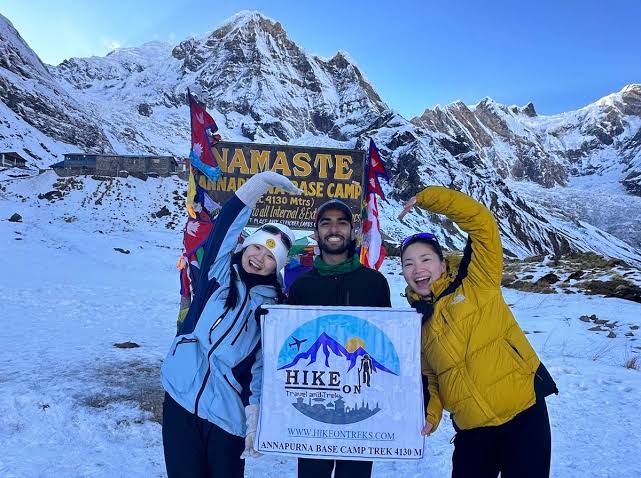
Walking into the cold mountain air takes a good amount of financial planning. Small paper bills can vanish from your pocket very quickly on the dirt paths. Many people forget to count the tiny hidden fees that wait in the high villages. This basic guide shows you how to prepare a smart wallet for your beautiful ABC Trek adventure. Clean mountain water and simple beds require local cash bills now.
Buying Your Permits Early
Official Park entry papers are necessary before your hiking shoes touch the rocky mountain road. You must buy these documents inside the big city offices of Kathmandu or Pokhara. Local rangers stand at small wooden shacks along the path to inspect your paperwork carefully. Paying for them early saves you from paying double prices at the trail gates later on. Keep these papers dry inside a plastic bag so the blue ink does not run from heavy falling cold rain.
Daily Trail Food Costs
Eating hot meals keeps your legs moving fast on the steep stone stairs every day. Mountain lodges serve big plates of rice and lentil soup called dal bhat to hungry walkers. The price of food increases slowly as you climb higher up the hills because porters carry everything. This vital part of Annapurna Trekking needs a steady budget for three square meals. Buying sweet chocolate snacks in the lower lakeside towns helps save your paper money on the trail now.
Paying For Hot Showers
Simple rooms are small wooden boxes with twin beds and basic thin mattresses. The cost for a room is very low if you buy dinner there. However, lodge owners collect small extra fees for using hot water to clean your body. Gas cylinders are very heavy to carry up the rocky paths on human backs. Bring small bills to pay for these comfort items without causing trouble at the front desk. A cold sponge bath is free if you choose.
Charging Your Phone Battery
Cold weather can drain the power from your cell phone inside your pocket. Charging electronic gear requires a few extra coins because solar power is very limited high up. The lodge owners plug your devices into a central wall outlet near the kitchen. Bringing a large portable power bank from home is a great way to save money. Keeping your phone inside your warm wool socks at night stops the battery from completely dying before beautiful morning sunrise views arrive.
Hiring Local Trail Helpers
Walking with a local guide makes your mountain journey much safer and more comfortable. Porters can carry your heavy packs so your shoulders do not get bruised on hills. These helpers receive a set daily wage that covers their food and mountain lodging. Tipping them at the end of the trek is a nice way to show your gratitude. Paying for local assistance supports mountain families directly and keeps you moving safely along the rough gravel paths every day.
Emergency Extra Cash Reserves
Banks and cash machines do not exist once you walk past the lower towns. Local people only accept cash bills for hot food and warm hats on the trail. Sometimes sudden weather changes can block the roads or delay your group transport back home. Keeping extra paper money in a safe hidden pouch protects you from unexpected trail delays. Having some backup cash ensures you can buy emergency jeep rides if your knees get too sore to continue your walk.
Conclusion
Managing your daily trail money properly keeps your big holiday smooth and completely stress free. Unplanned expenses for hot showers or phone charging will never bother your mood when your wallet is prepared ahead. You can easily book a safe, well organized mountain trip through peacenepaltreks.com to see the great white peaks without any hassle. Clear budgets let you look at the beautiful mountain views instead of worrying about your cash bills. This smart preparation ensures your Himalayan journey stays memorable and fun from start to finish.